
Embracing Nature: How Outdoor Time Can Alleviate Anxiety and Enhance Mental Health

Anxiety, depression, and stress affect millions of people worldwide. Finding effective ways to manage these challenges is crucial for improving quality of life. One accessible and natural approach is spending time outdoors. Research shows that being in nature can reduce symptoms of anxiety and depression, while also helping people cope with stress. This post explores how nature supports mental health and offers practical tips for spending more time outside.
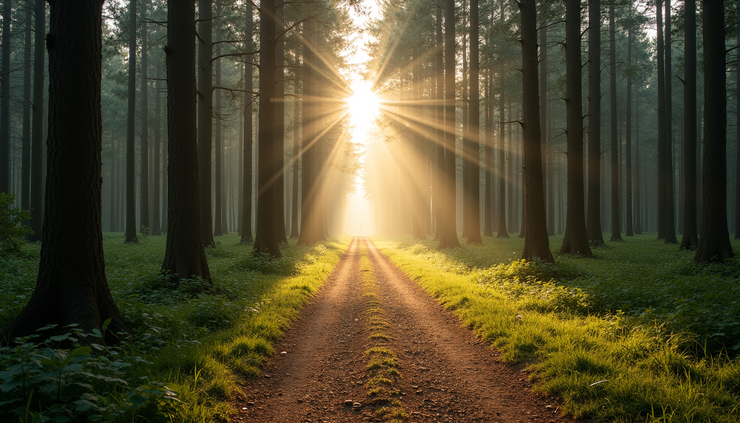
How Nature Supports Mental Health
Nature has a unique ability to calm the mind and body. When you spend time outdoors, your brain responds positively in several ways:
Reduces stress hormones: Exposure to natural environments lowers cortisol levels, the hormone linked to stress.
Improves mood: Natural light and fresh air boost serotonin production, which helps regulate mood and feelings of happiness.
Enhances focus and clarity: Nature provides a break from constant stimulation, allowing the brain to rest and improve concentration.
Encourages physical activity: Walking, hiking, or gardening outdoors increases endorphins, natural chemicals that reduce pain and improve mood.
Studies have found that even short periods spent in green spaces can lower anxiety and depressive symptoms. For example, a 2019 study published in Scientific Reports showed that participants who walked in a forest for 50 minutes experienced lower anxiety and improved mood compared to those who walked in urban settings.
Ways Nature Helps Reduce Anxiety and Depression
Spending time outdoors offers more than just fresh air. It provides specific mental health benefits that can ease anxiety and depression:
Mindfulness and grounding: Nature encourages mindfulness by drawing attention to sights, sounds, and smells. This focus on the present moment helps break cycles of worry and rumination.
Social connection: Parks and trails offer opportunities to meet others or spend quality time with friends and family, reducing feelings of isolation.
Sense of control and accomplishment: Activities like gardening or hiking provide goals and a sense of achievement, which can counter feelings of helplessness and/or hopelessness common in depression.
Natural light exposure: Sunlight helps regulate circadian rhythms, improving sleep quality, which is often disrupted in those struggling with anxiety and depression.
For example, a person struggling with anxiety might find relief by sitting quietly near a lake, focusing on the gentle ripples and bird songs. This simple act can shift attention away from anxious thoughts and promote calm.
Tips for Spending More Time Outdoors
Incorporating nature into your routine doesn’t require major lifestyle changes. Here are practical ways to increase your outdoor time:
Start small: Spend 10 to 15 minutes outside daily, such as during a lunch break or morning coffee.
Choose accessible green spaces: Visit local parks, community gardens, or nature reserves close to home.
Make it a habit: Schedule regular walks or outdoor activities like biking or yoga.
Combine with social time: Invite a friend for a walk or picnic to boost both nature exposure and social support.
Engage your senses: Notice the colors, textures, and sounds around you to deepen your connection with nature.
Try gardening: Growing plants can be therapeutic and provides a reason to spend time outdoors regularly.
Unplug: Leave devices behind or on silent to fully immerse yourself in the environment.
If mobility or weather limits outdoor time, consider bringing nature indoors with houseplants, natural light, or nature sounds.

Supporting Mental Health with Nature in Daily Life
To make the most of nature’s benefits, consistency matters. Here are ways to integrate outdoor time into your mental health routine:
Use nature as a coping tool: When feeling overwhelmed, step outside for a few minutes to reset.
Practice mindful walking: Focus on your breath and surroundings during walks to reduce anxiety.
Create a nature journal: Record observations and feelings after outdoor time to track progress and encourage reflection.
Join outdoor groups: Hiking clubs or community gardening groups provide motivation and social connection.
Set realistic goals: Aim for regular, enjoyable outdoor activities rather than forcing long or intense sessions.
Remember, the goal is to find what feels restorative and manageable for you. Even small steps can lead to meaningful improvements in mental health.
Spending time in nature offers a natural, accessible way to ease anxiety, lift mood, and manage stress. By making outdoor time a regular part of your life, you can tap into these benefits and build resilience. Start with small moments outside and explore activities that connect you with the natural world. Your mind and body will thank you.

Comments